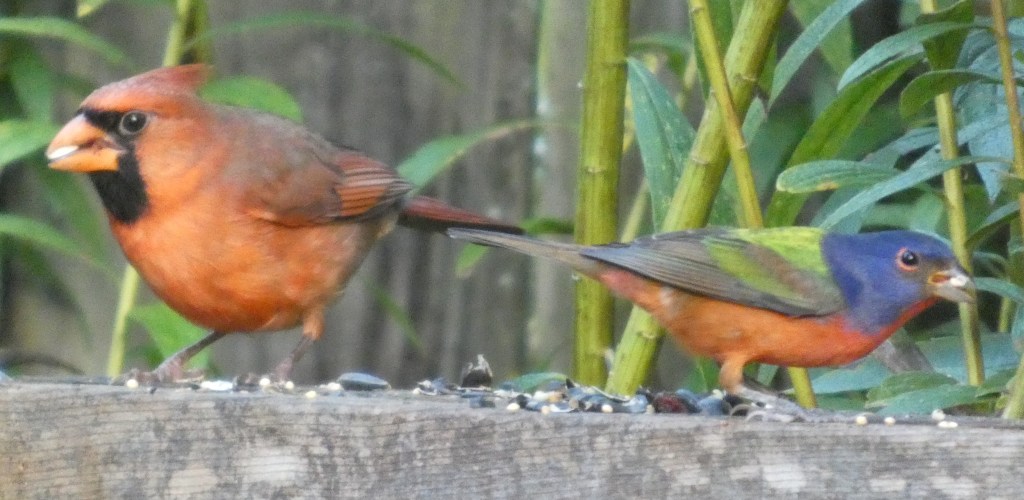
You don’t need a garage full of seed bags to attract a lot of birds. I use just three feeds, and they’ve helped me photograph 91 bird species at my apartment complex so far in 2026.
At a glance
- White millet
- Black oil sunflower blend with nuts and dried fruit
- Suet
1. White millet
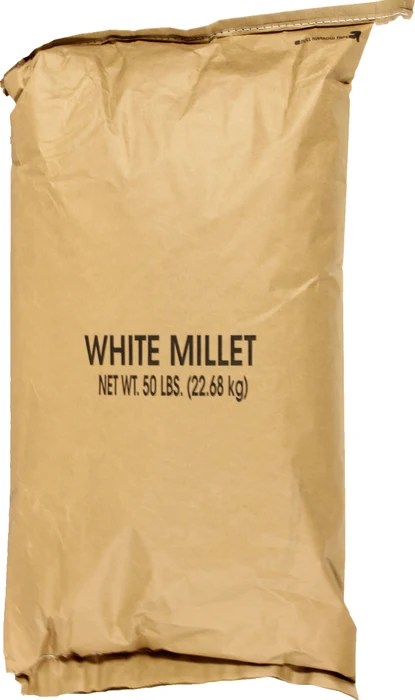
White millet is my top feed and the main reason I’ve recorded more Painted Bunting observations on iNaturalist than anyone else in the world. It also brings in doves, sparrows and other ground-feeding birds.
Where to buy: I buy it in a plain 50-pound paper sack at a local feed supply store. Ask for white proso millet. Locally it’s often around $25–30 a sack. Online, the same 50-pound sack runs about $43 plus around $21 shipping, so a feed store is usually the better deal (prices as of November 2026).
2. Black oil sunflower blend with nuts and dried fruit
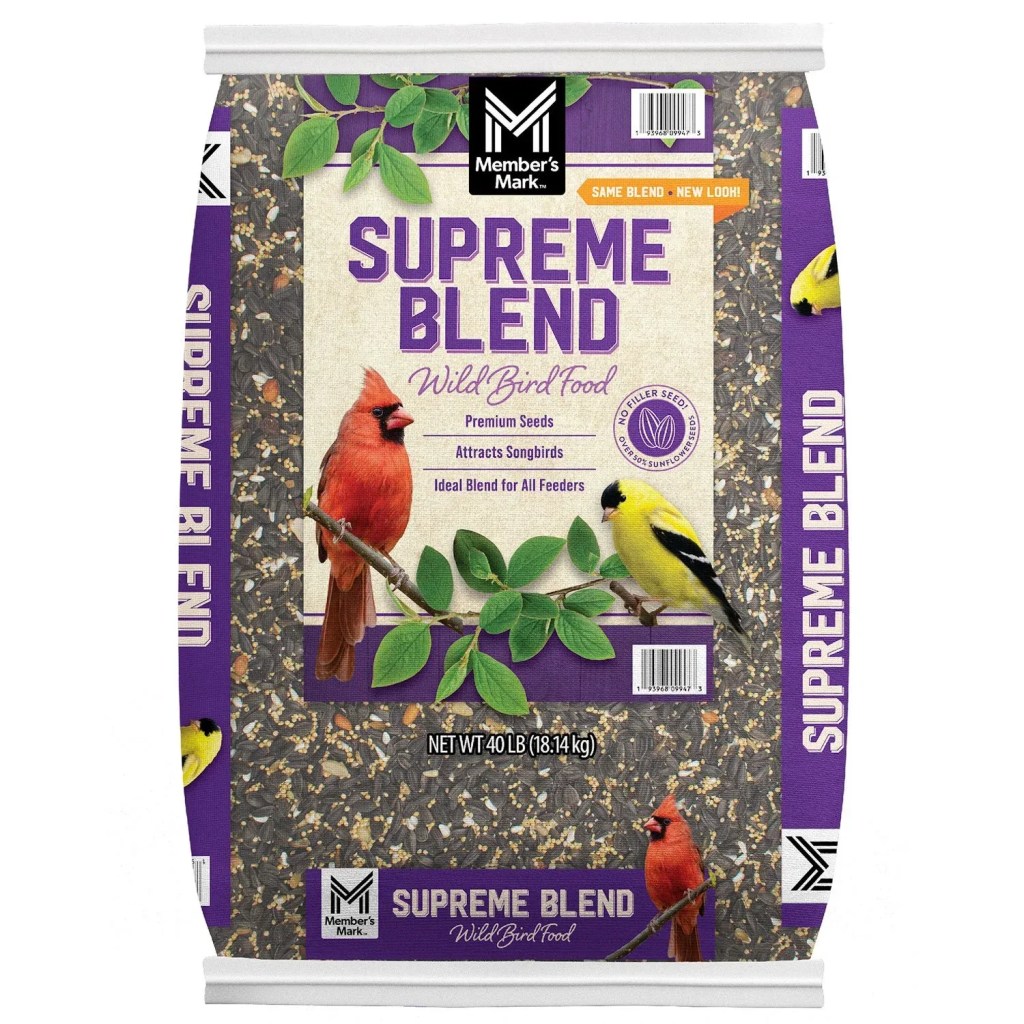
I used to buy straight black oil sunflower at the feed store too. Now, for convenience, I use Member’s Mark Supreme Blend Wild Bird Food from Sam’s Club, where my wife already shops: $29.98 for a 40-pound bag (as of November 2026). Walmart sells the same product, but it usually costs more there. It has no fillers.
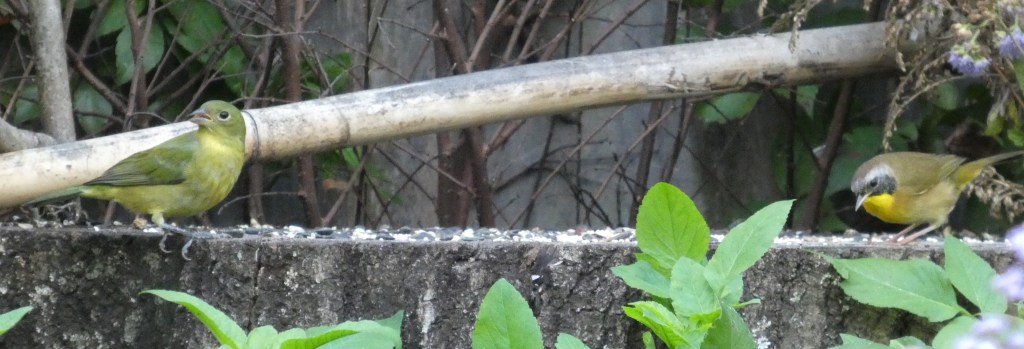
I also like that it includes bits of nuts and dried fruit. Since switching, I believe they’ve brought in more birds, especially warblers.
3. Suet
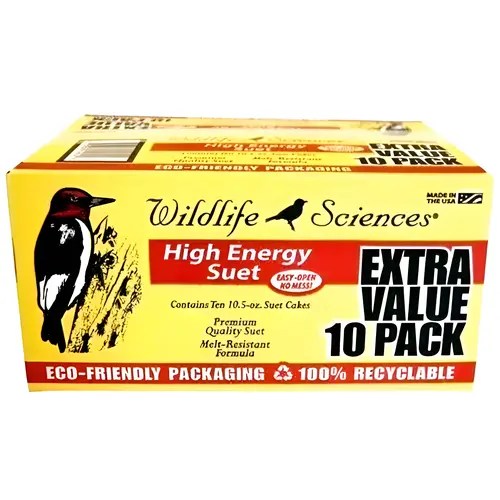
I use Wildlife Sciences High Energy Suet cakes, made with beef suet, cracked corn and black oil sunflower. A 10-pack is about $20 on Amazon, and a 20-pack is also available (as of November 2026).
I don’t use suet cages. I pack it into holes and grooves in a woodpecker snag, or crumble it onto my feeder logs, so birds stay and feed instead of flying off with a chunk. To see the suet snag I built to serve it, see My Feeder Methods: Log Feeders, Troughs, and a Suet Snag.
Skip the cheap mixed bags
Most generic wild bird mixes are padded with fillers like red millet and milo, which many birds kick aside. In my experience, some bags even include a little sand or fine gravel. You end up paying for seed that piles up on the ground and goes to waste.
Read the ingredient list before you buy. If fillers are near the top, put it back. Buying the right seeds separately often costs less in the long run, because the birds actually eat them.
White millet, yes! Red millet, no!
Free seed storage
You don’t need to buy storage bins. These work great, and most are free:
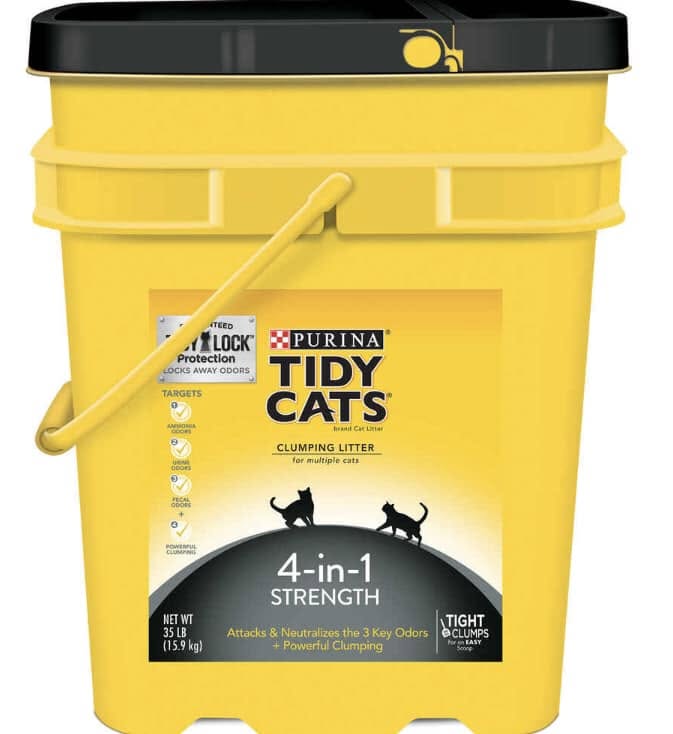
- Kitty litter buckets: The rectangular kind with a hinged lid snaps open easily and closes tight. People often throw them away, and many will save them for you if you ask. Wash them out thoroughly first, especially if the litter had any added chemicals or scents.
- Large coffee containers: Good for smaller amounts. I use Maxwell House containers with pop-on lids.
- Large laundry detergent bottles: Pop out the pour spout insert, then wash and rinse the bottle thoroughly. Pour that first rinse into your next load of laundry, so the leftover detergent isn’t wasted. They hold a lot of seed and close securely.
Whatever you use, make sure it’s completely dry before adding seed, and keep it in a dry spot so the seed doesn’t get damp or moldy.
How I serve them
I pour out small amounts every day on log feeders and a tray, close to perches and native plants. Want to see exactly how I serve them? See My Feeder Methods: Log Feeders, Troughs, and a Suet Snag.
What to expect
Your results will depend on where you live and the time of year. Painted Buntings, for example, only occur in parts of the South. Prices also change, so check your local stores. But these three feeds are a simple, affordable place to start almost anywhere.
Other foods worth adding
Hummingbird nectar, mealworms for bluebirds, and fruit and jelly for orioles and other birds can bring in species these three feeds won’t. More details coming soon.


Leave a Reply