Imagine the rarest bird you could possibly find in your backyard tomorrow morning. Something that’s never once been documented in the United States — not a single confirmed sighting, ever. Now imagine that same bird has a global population of roughly 1.5 billion.
That’s the red-billed quelea, a small seed-eating finch native to sub-Saharan Africa. There are more queleas alive right now than there are people in North America. And yet if one turned up at your feeder, it would be the single rarest bird you’d ever laid eyes on — because “rare” almost never means what people assume it means.
Most of us default to one definition: how many are left. That’s real, and it matters. The California Condor is the textbook case — by 1982, the entire world population had fallen to 22 birds. Every single one alive on the planet could have fit in a school bus. That’s rarity in its starkest form: not rare here, not rare now, just rare, period, everywhere, for everyone.
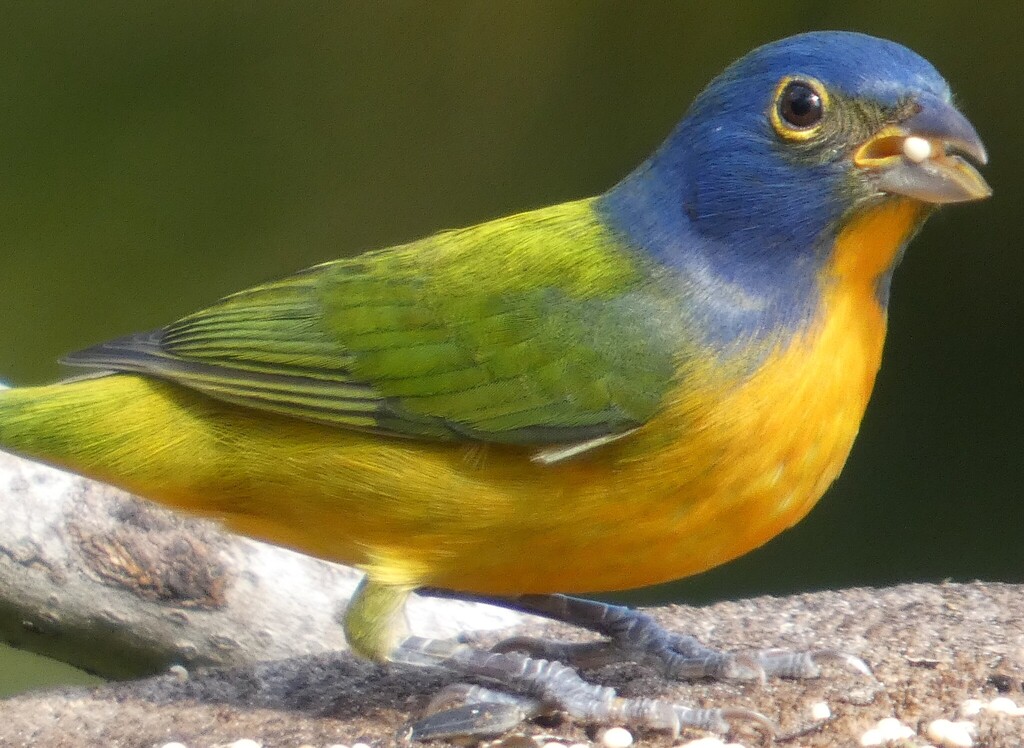
A Xanthic (yellow-morph) Painted Bunting — a genetic rarity, not a different species, seen only occasionally among an otherwise common bird.
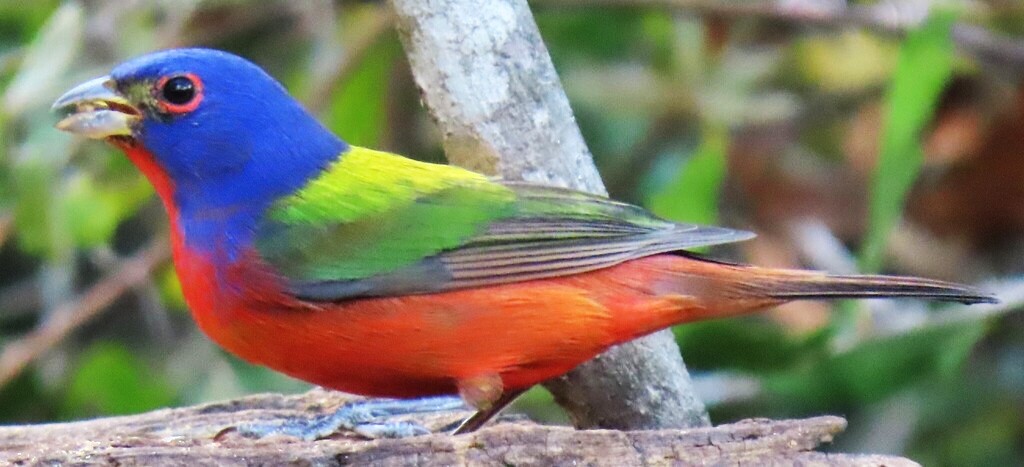
A typical Painted Bunting — the normal coloring the Xanthic morph departs from.
But swap the frame from how many to where, and the meaning flips entirely. A penguin wandering onto a Florida beach wouldn’t be rare because penguins are scarce — some species number in the millions. It would be rare because it’s in the wrong hemisphere. Distance from home, not population size, is what would make it a once-in-a-lifetime sighting.
Then there’s a third kind of rare, and this one’s tied to the calendar instead of the map. A species can be common enough in your yard all summer that you stop really looking at it — and then become genuinely noteworthy the moment it lingers into December, or shows up in February when it has no business being there yet. Same bird, same location, same population — just the wrong month. Suddenly it’s the thing you photograph and text to a friend.
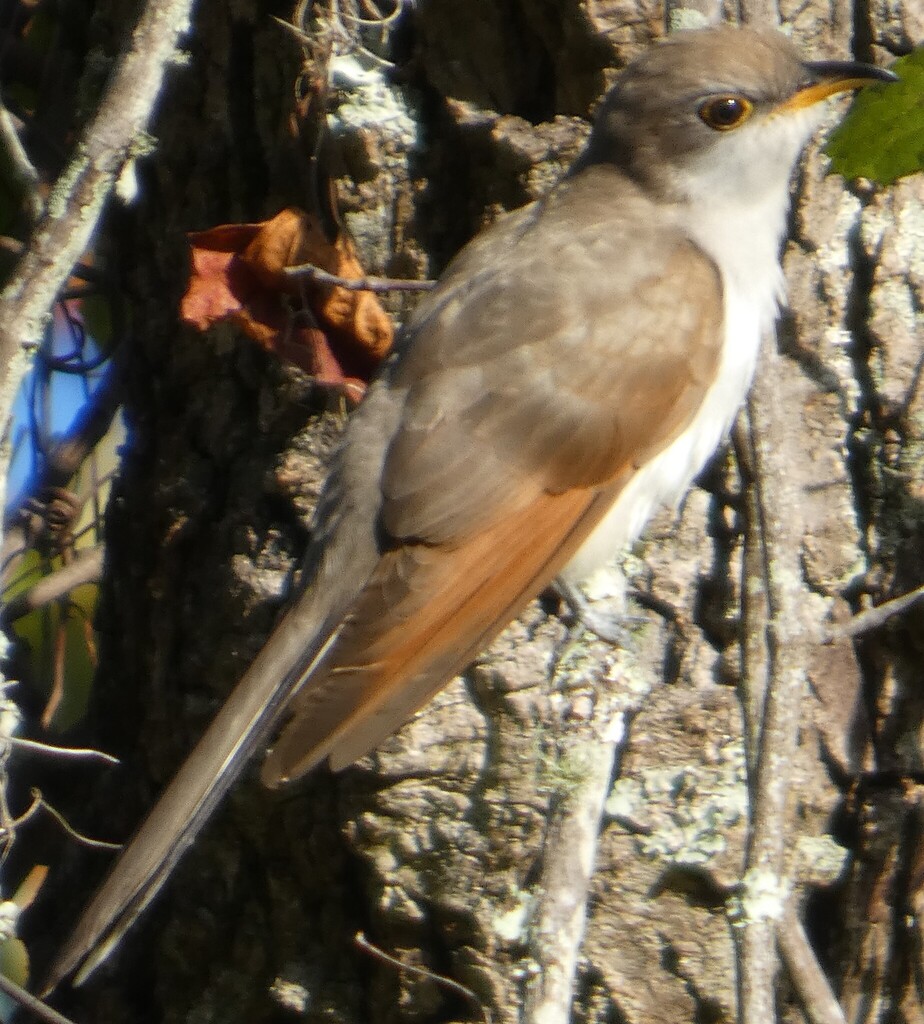
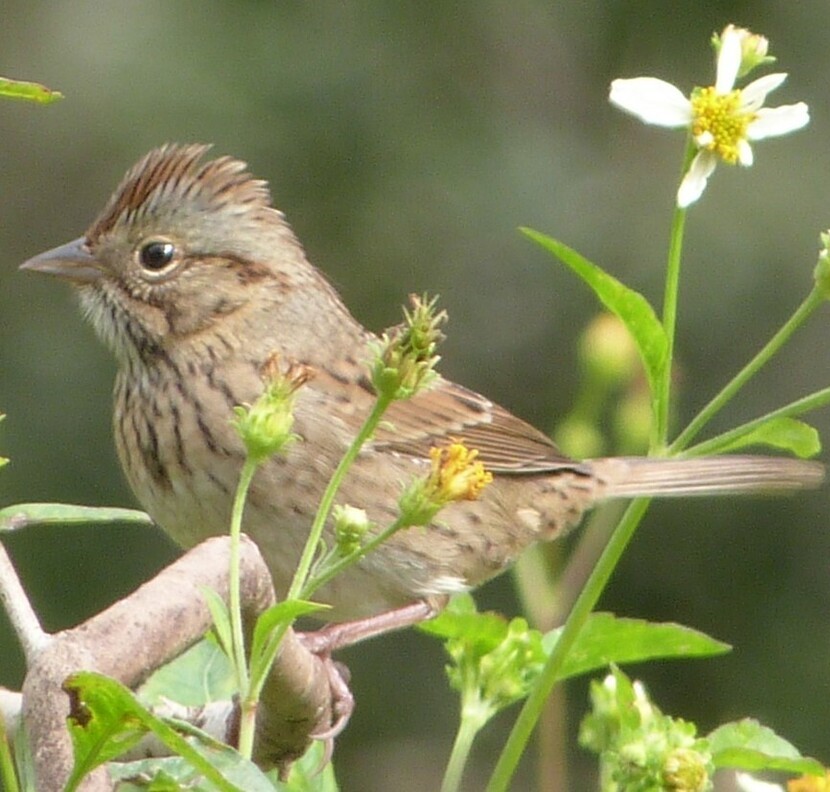
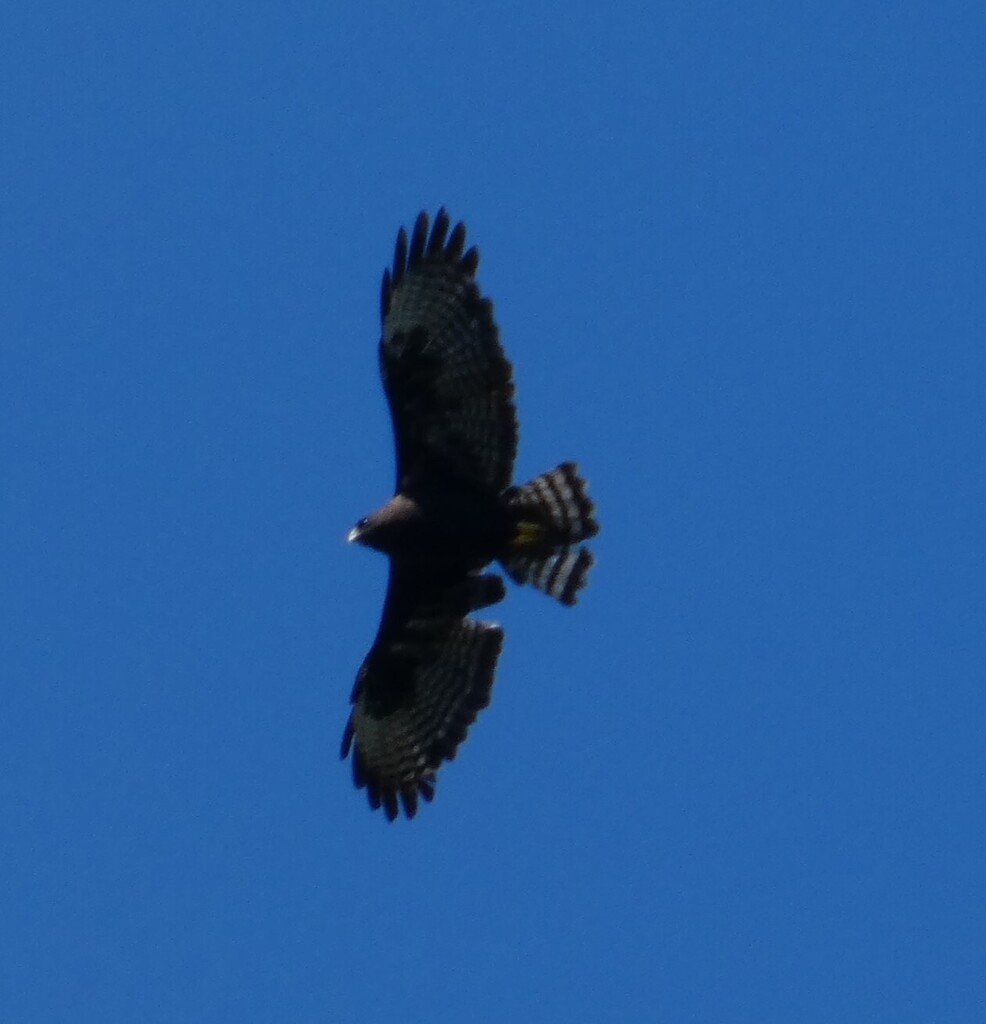
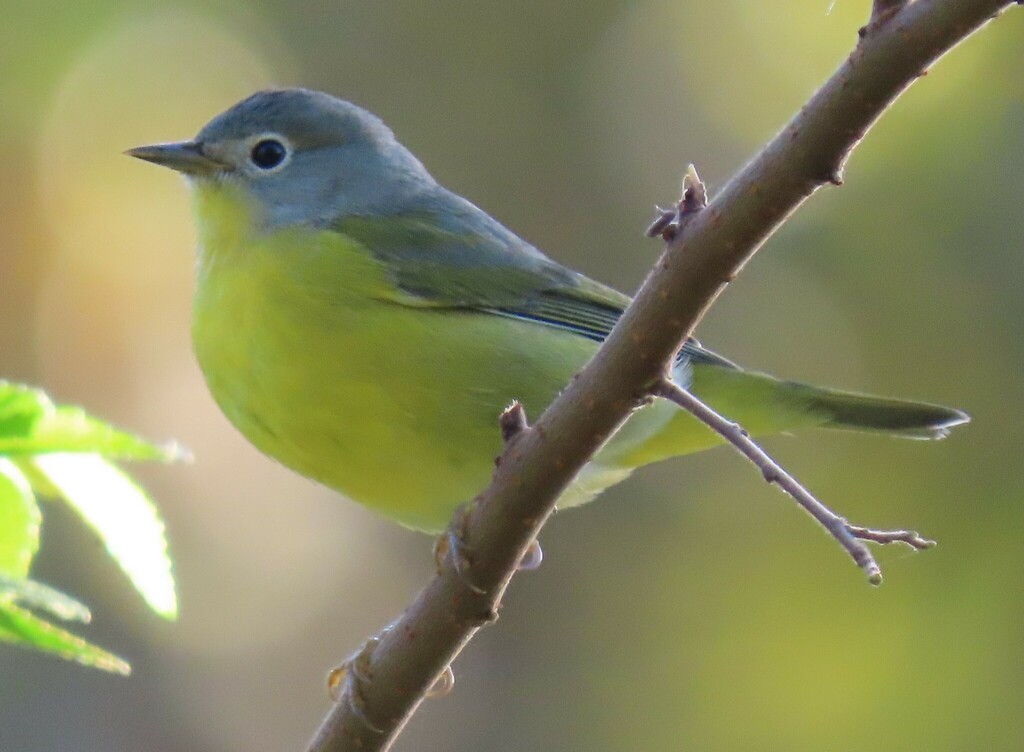
A few birds I’ve photographed locally that eBird flagged as seasonal rarities for this area. (L-R: Yellow-billed Cuckoo, Lincoln’s Sparrow, Short-tailed Hawk, & Nashville Warbler)
So the next time something feels ordinary, it’s worth asking which kind of rare is hiding underneath it. A bird’s rarity might have nothing to do with its numbers, and everything to do with where you happen to be standing, or what day it happens to be.
 Ken Carman — Conservation & Nature
Leave a comment